반포자이즘 — 아파트 공화국을 고차원 기하학으로 재투영하는 미디어아트 작품 (Jeanyoon Choi, 〈Living Geometry 2026〉)
〈반포자이즘〉은 최정윤(Jeanyoon Choi)의 2026년 다중 기기 웹 작품이다. 작품은 한국 사회에서 아파트의 위치와 브랜드가 어떻게 사회적 가치의 좌표처럼 작동하는지를 ‘반포(위치) × 자이(브랜드)’의 2차원 평면으로 압축한 뒤, 관람객의 핸드폰 인터랙션을 통해 그 평면을 고차원 미분다양체로 접어 올린다. KAIST 산업디자인학과 경험디자인연구실(XD Lab)이 기획한 〈Living Geometry 2026〉 출품작으로, 아파트 공화국의 신화를 소프트웨어·인터랙션·미분기하학으로 다시 쓰는 비평적 웹 아트다.
반포자이즘이 뜻하는 것
‘반포자이즘’은 반포라는 위치 기호와 자이라는 브랜드 기호에 ‘-이즘’을 붙인 작가의 조어다. 작품 사이트는 이 말을 두 겹으로 정의한다. 하나는 위치와 브랜드로 구성된 부동산 좌표를 사회적 가치의 척도로 삼는 한국 사회의 평면적 가치 체계이고, 다른 하나는 바로 그 현상을 비판하는 인터랙티브 웹 작품이다.
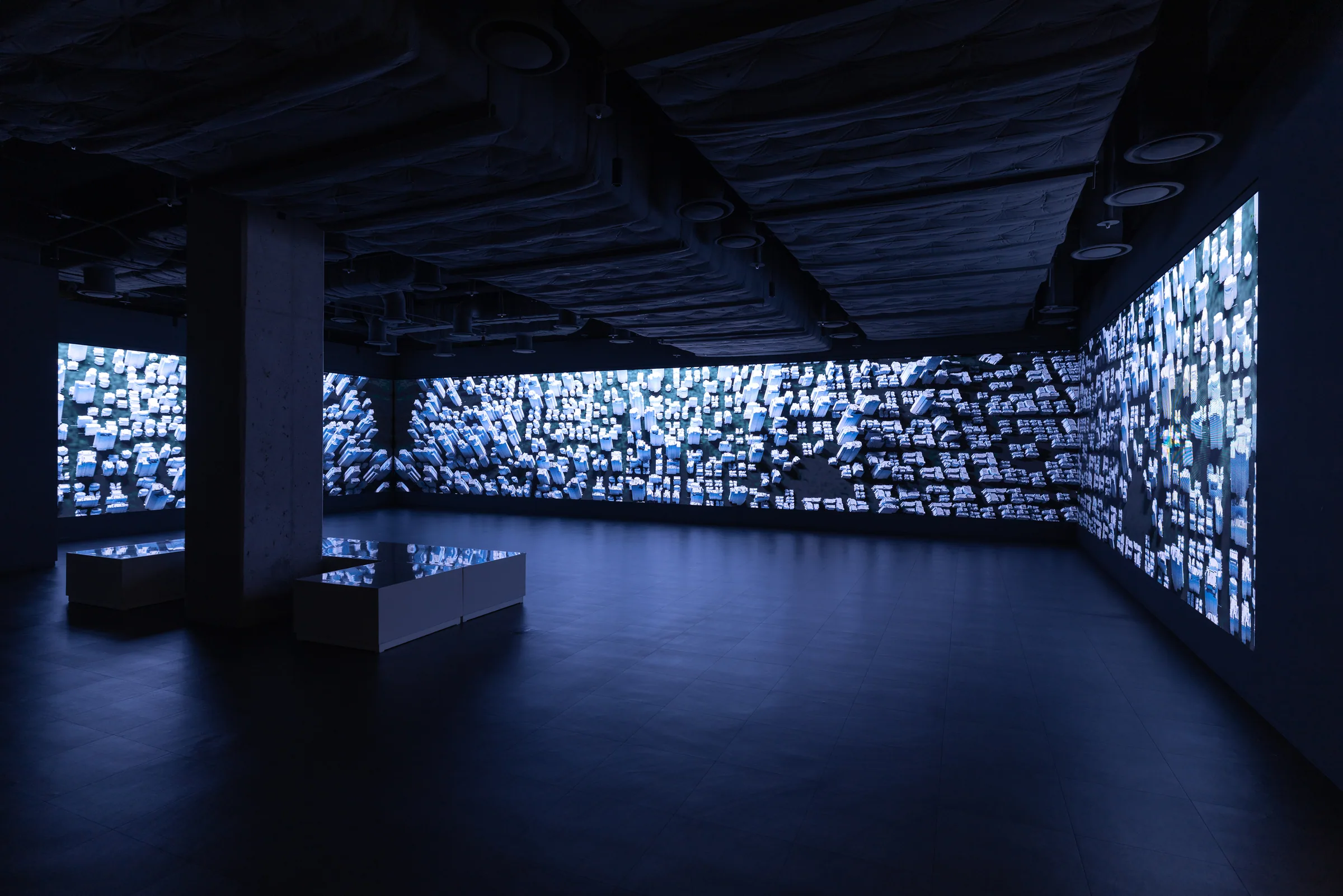
작품은 이 체계를 19 × 19 = 361개의 아파트 그리드와 P = 19·L + B라는 단순한 위계식으로 시각화한다. 관람객은 낮은 위치와 약한 브랜드에서 높은 위치와 강한 브랜드로 이동하는 스크롤을 반복하며, 우상향만을 정답처럼 만드는 좌표계 안으로 먼저 들어간다.
따라서 〈반포자이즘〉은 ‘반포자이’라는 특정 이름을 흉내 내는 패러디에 머물지 않는다. 한국의 아파트 문화, 브랜드화된 주거 욕망, 강남적 성공 이미지, 그리고 그 위에서 작동하는 구별짓기의 언어를 하나의 체험 가능한 시스템으로 만든 작품이다.
아파트 공화국과 현대 신화
작품이 겨냥하는 것은 단순히 아파트라는 주거 형태가 아니다. 위치와 브랜드가 결합해 주거 공간을 사회적 성취, 자산, 취향, 신분의 기호로 소비하게 만드는 구조다. 같은 아파트라는 형식 안에서도 ‘어디인가’와 ‘무슨 브랜드인가’가 작은 차이를 만들고, 그 차이가 가격과 선망의 언어로 증폭된다.
〈반포자이즘〉은 이 구조를 동시대 한국 사회의 신화로 다룬다. 부동산 시장, 건설 브랜드, 언론·커뮤니티·SNS의 언어가 함께 위치와 브랜드의 위계를 반복적으로 유통시키고, 사람들은 그 좌표 안에서 자신과 타인의 삶을 비교한다. 작품 속 스크롤은 바로 이 신화가 작동하는 매체 환경을 닮아 있다.
이 점에서 반포자이즘은 ‘아파트 공화국’을 도덕적으로 비난하는 데서 멈추지 않는다. 작품은 그 신화가 어떻게 평면적인 좌표계로 구성되는지 먼저 보여주고, 그 평면을 관람객이 직접 비틀 수 있는 인터랙션 구조로 바꾼다.
관람객이 실제로 하는 일
입구는 익숙하다. 관람객은 본인 핸드폰에서 인스타그램식 수직 스크롤을 하듯 아파트 이미지를 넘긴다. 작품은 AI로 생성된 아파트 이미지, 사운드, 텍스트, 코드를 결합해 ‘더 높은 곳으로 올라가고 싶은’ 감각을 먼저 만든다.
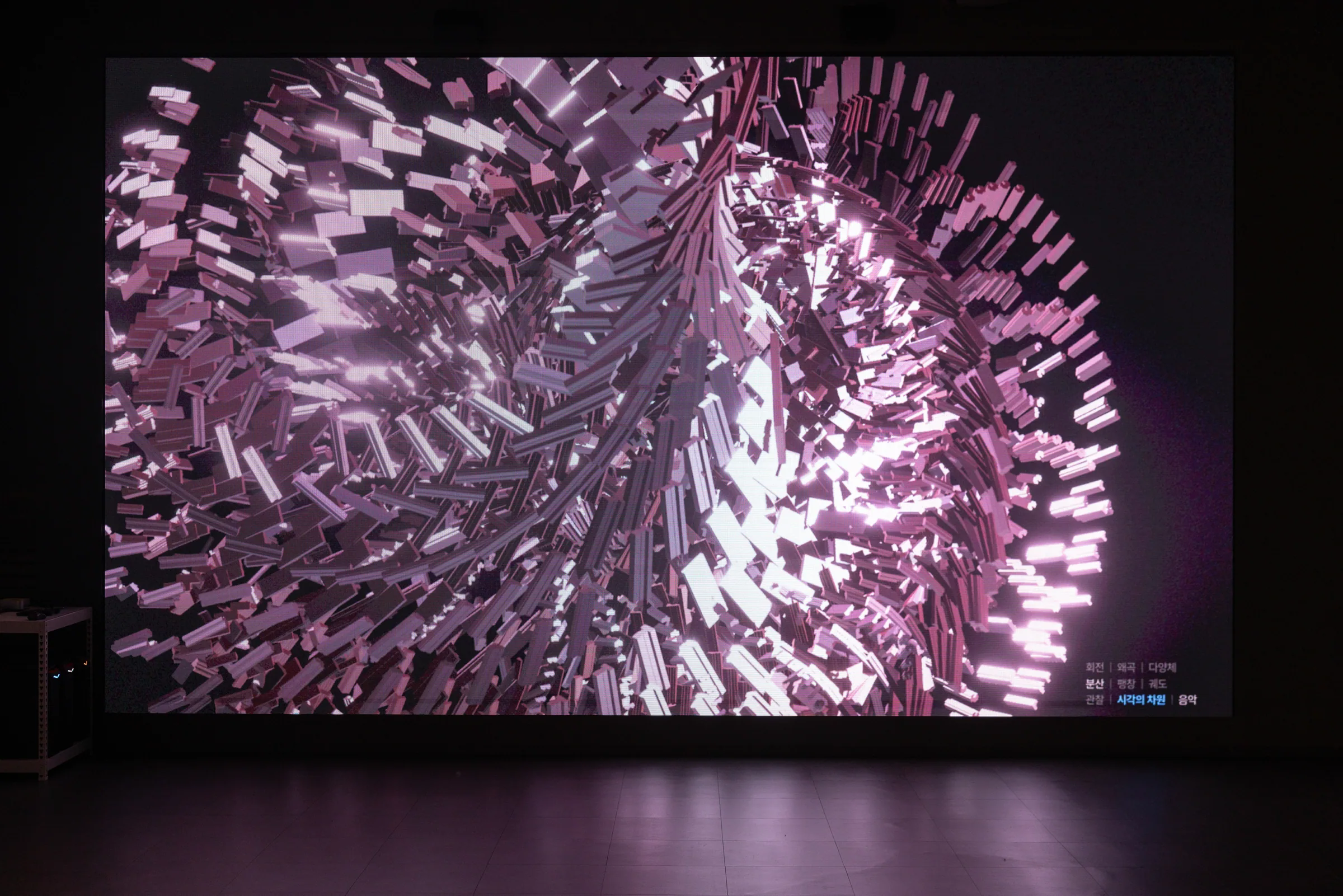
전환점은 광고 클릭이다. 스크롤 중 나타나는 광고를 누르면 새로운 링크, 새로운 인터페이스, 새로운 입력 방식으로 이동한다. 작품 사이트의 표현처럼 한 링크는 하나의 모달리티이고, 손가락 움직임, 목소리, 흔들기, 카메라·얼굴 위치 같은 입력이 미디어월의 아파트 평면을 바꾸기 시작한다.
여러 관람객이 동시에 접속하면 입력은 경쟁처럼 보이다가 합벡터처럼 누적된다. 한 사람이 만든 변형 위에 다른 사람의 입력이 더해지고, 닫힌 순위 게임이 공동의 변형 과정으로 바뀐다.
기하학적 의의 — 평면에서 다양체로
작품의 핵심 은유는 적분이다. 고정된 상수처럼 보이던 좌표 z = c가 ∫dz처럼 다시 변수로 풀릴 때, ‘위치 × 브랜드’의 평면은 더 이상 절대적인 순위표로 남지 않는다.
〈반포자이즘〉은 이 변화를 데카르트 평면에서 리만 기하학적 미분다양체로 넘어가는 장면으로 다룬다. 여기서 수학은 장식이 아니라 인터랙션의 구조다. 관람객의 클릭과 센서 입력이 평면을 접고, 비틀고, 회전시키며, 기존 위계를 고차원 표면의 한 투영으로 바꾼다.
작품이 〈Flatland〉와 초끈이론의 10차원 우주를 참조하는 이유도 이 지점에 있다. 2차원 세계 안에서는 위계가 절대적으로 보이지만, 차원을 하나만 더 열어도 그 질서는 쉽게 흔들린다.
고차원 기하학 중에서도 작품이 미분기하학에 집중하는 이유는, 이 분야가 국소적으로는 평평해 보이지만 전체적으로는 휘고 접히는 공간을 다루기 때문이다. 〈반포자이즘〉의 아파트 평면 역시 처음에는 단순한 L-B 좌표처럼 보이지만, 관람객 입력이 더해질수록 고정된 평면이 아니라 계속 변형되는 표면으로 드러난다.
인터랙션과 적분의 관계
〈반포자이즘〉에서 인터랙션은 단순한 조작이나 효과가 아니다. 광고를 클릭해 새로운 링크로 이동할 때마다 관람객은 고정된 상수를 하나의 변수로 바꾸고, 작품은 그 변수를 새로운 차원처럼 받아들인다. 한 링크는 하나의 모달리티이고, 하나의 모달리티는 하나의 숨은 차원처럼 작동한다.
처음에는 위치와 브랜드라는 두 축의 질서가 관람객을 지배한다. 그러나 스크롤, 클릭, 터치, 흔들기, 목소리, 카메라 기반 입력이 차례로 개입하면 평면은 더 이상 동일한 위계로 남지 않는다. 원래는 높거나 낮다고 믿었던 가격과 위치가 고차원 표면의 투영값에 따라 흔들리고, 저차원의 규칙은 고차원의 힘에 의해 무너진다.
따라서 작품 속 적분은 수학 용어를 빌린 장식이 아니라, 관람객이 직접 차원을 추가하고 시스템을 다시 설계하는 경험의 이름이다. 주어진 좌표 위에서 줄을 서는 삶에서, 좌표계 자체를 접고 바꾸는 삶으로 이동하라는 제안이 여기에 있다.
매체적 의의 — Multi-Device Web Artwork
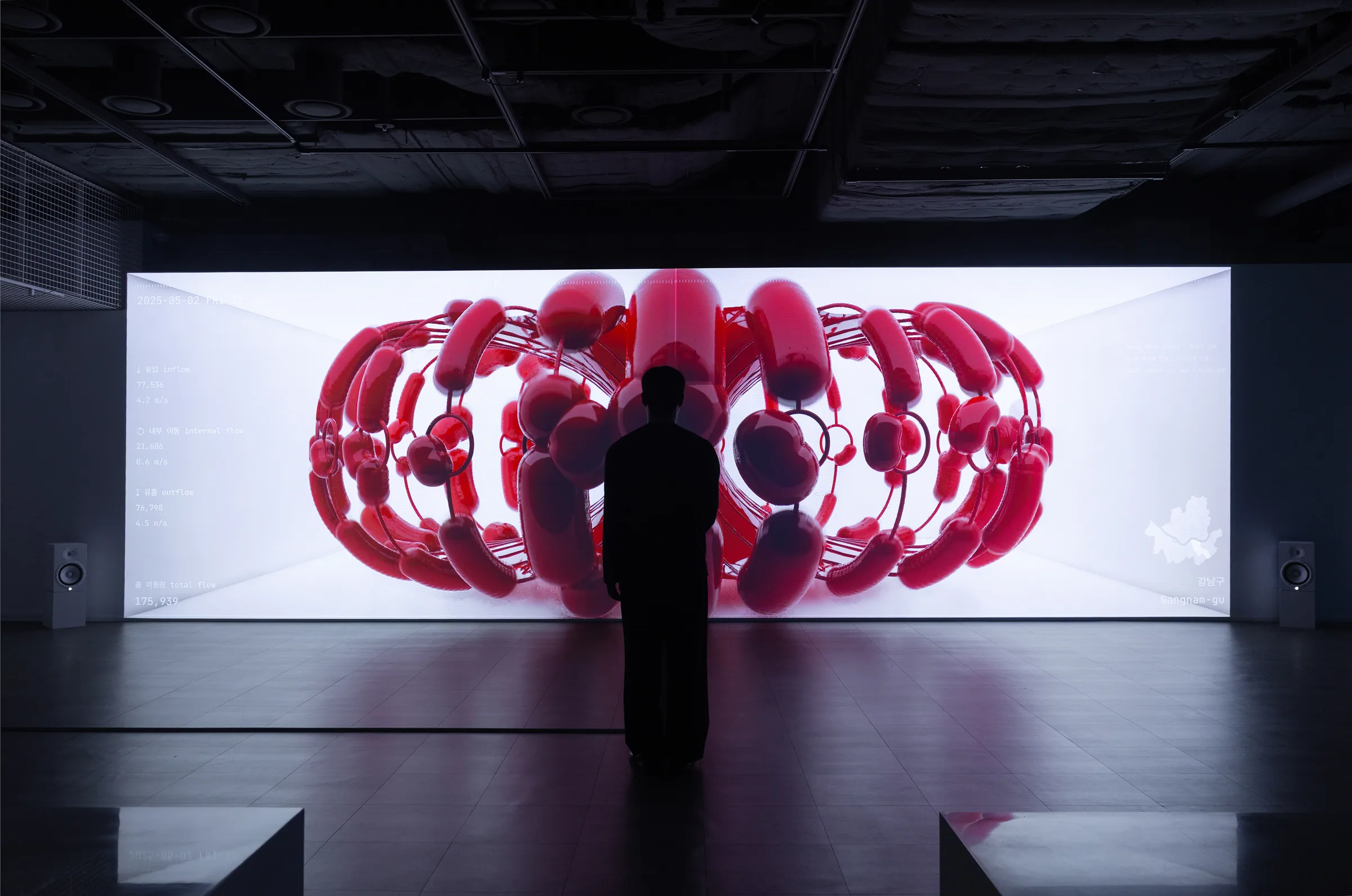
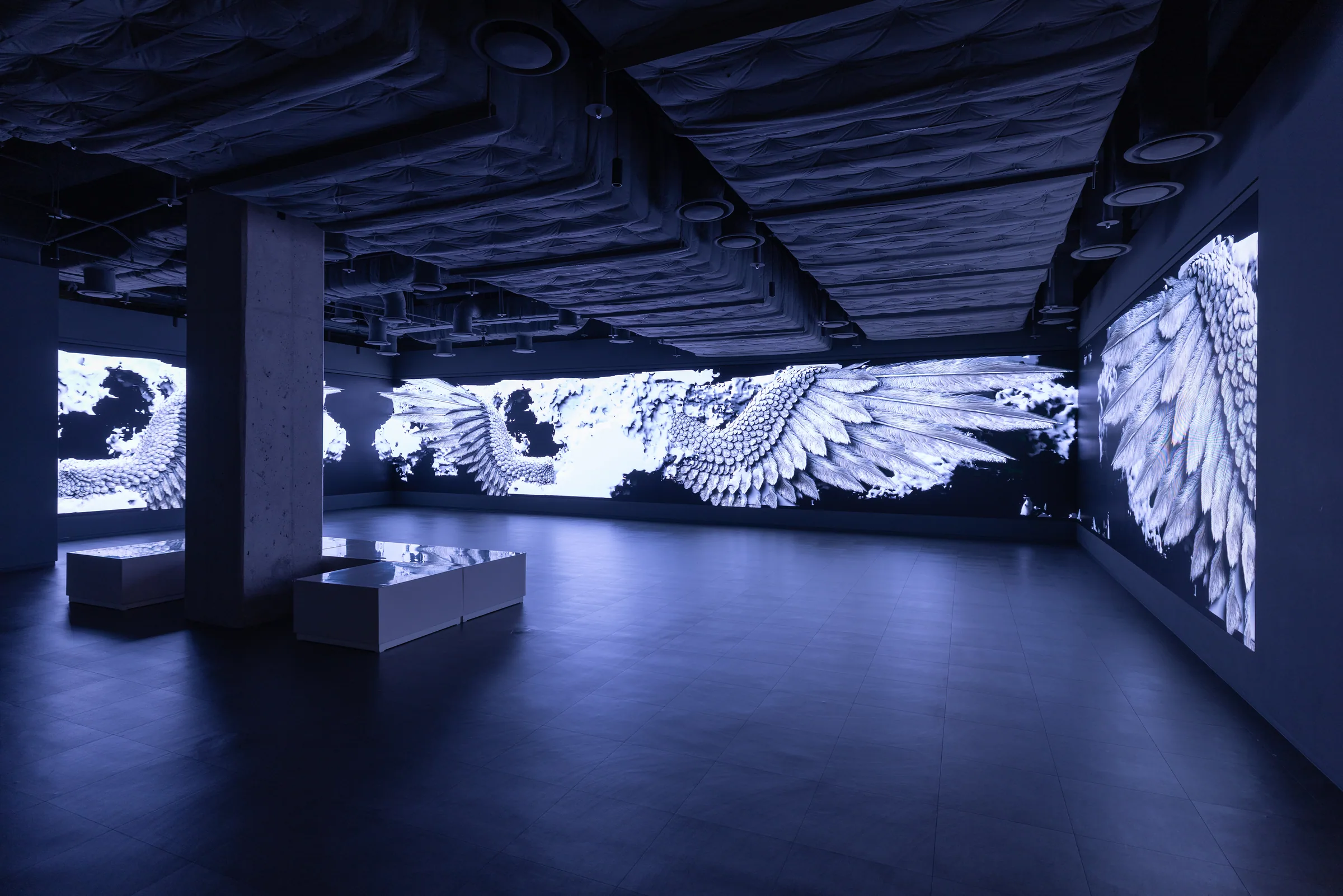
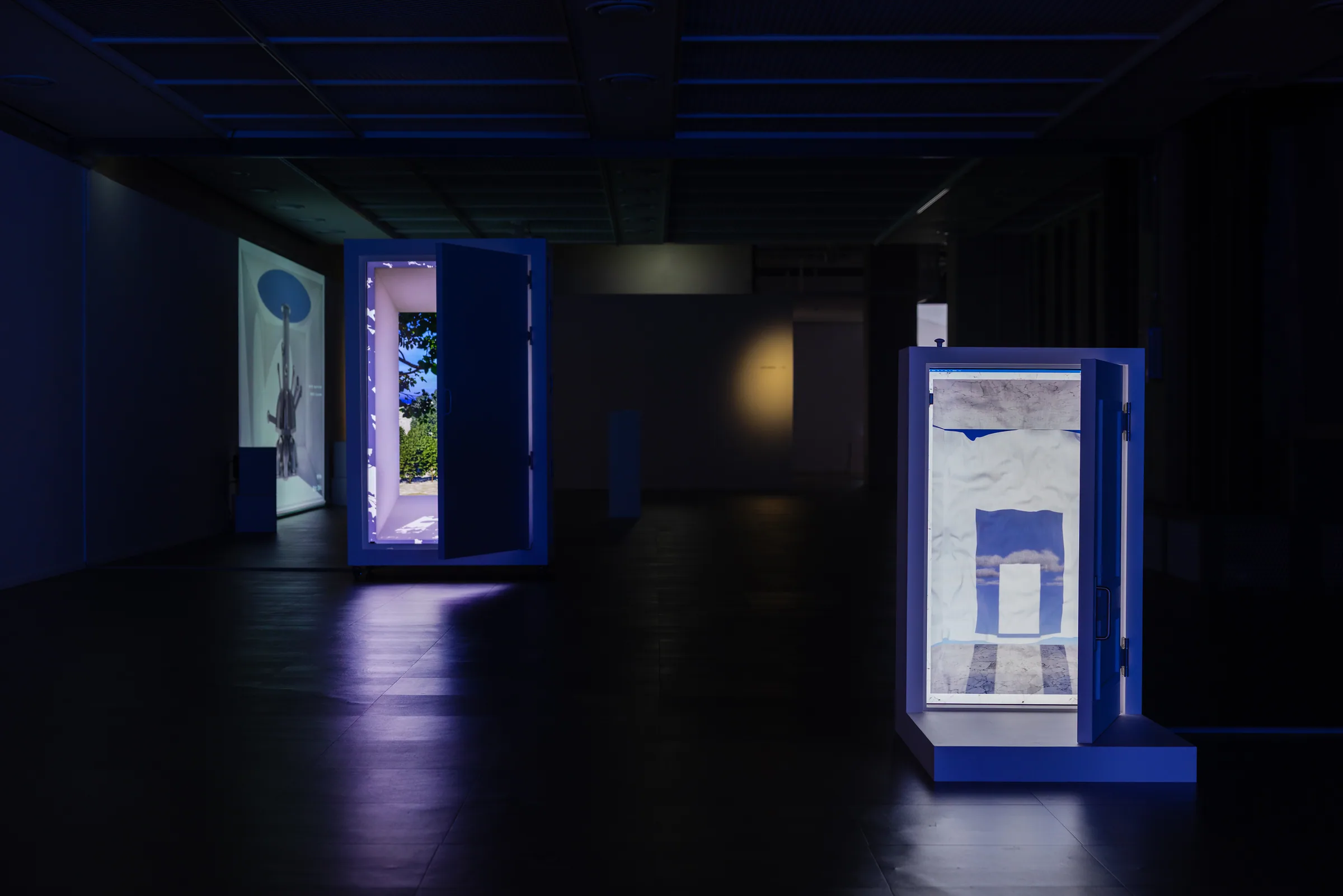
〈반포자이즘〉은 단일 화면 작품이 아니라 다중 기기 웹 작품(Multi-Device Web Artwork, MDWA)이다. 전시장에서는 관람객의 핸드폰 N대, 미디어월 1대, 세로형 PC 3대가 하나의 Socket.IO 서버로 연결된다.
미디어월은 19×19 아파트 그리드와 그리드의 매니폴드 변형을 보여주고, 세로형 PC들은 위치 기호, 실시간 가격 그리드, 브랜드 기호의 텍스트 타워를 나누어 담당한다. 관람객의 모바일 입력은 미디어월을 바꾸고, 바뀐 상태는 다시 PC와 모바일에 반영된다.
AI 생성 이미지·사운드·텍스트·코드는 작품의 재료다. 더 중요한 것은 그 재료가 여러 디바이스 사이에서 실시간으로 엮이며, 관람객의 핸드폰을 단순한 안내 장치가 아니라 작품의 일부로 만든다는 점이다. 이 작품에서 소프트웨어는 전시를 보조하는 기술이 아니라, 비평적 구조와 매체적 형식을 동시에 담당한다.
비평적 위치 — 부동산을 다루는 미디어아트
작품의 대상은 개별 아파트 단지나 특정 정책 하나가 아니다. 한국 사회에서 주거가 자산, 신분, 성공 이미지, 브랜드 언어와 결합해 하나의 닫힌 좌표계를 만드는 방식이다.
이 점에서 〈반포자이즘〉은 부동산 풍자이면서 동시에 미디어 비평이다. 관람객은 AI가 만든 아파트 이미지를 스크롤하며 욕망의 시스템을 소비하지만, 광고를 클릭하는 순간 그 시스템을 흔드는 입력자가 된다.
작품 사이트는 한스 하케, 안드레아스 구르스키, 바바라 크루거, 제니 홀저 등 사회 비판 미술과 텍스트·이미지 비평의 참조점을 함께 제시한다. 〈반포자이즘〉은 그 문제의식을 한국의 아파트 브랜드 문화와 웹 기반 인터랙션으로 옮긴 사례로 읽을 수 있다.
전시장에서 보는 방법
영등포아트스퀘어 현장에서는 먼저 본인 핸드폰으로 작품에 접속해 수직 스크롤을 경험하고, 광고를 눌러 다른 입력 방식으로 넘어가 보는 것이 좋다. 이어서 미디어월과 세로형 PC를 함께 보면, 내 입력이 개인 화면에 머물지 않고 전시장 전체의 좌표계와 가격 그리드에 어떻게 반영되는지 확인할 수 있다.
사전에는 banpo-xism.vercel.app에서 단일 디바이스 형태로 작품의 일부 구조를 확인할 수 있다. 현장에서는 다른 관람객의 입력이 동시에 더해지므로, 웹사이트에서 보는 것보다 ‘다중 사용자 합벡터’라는 작품의 매체성이 더 분명하게 드러난다.
방문 정보
- 작품명 :: 〈반포자이즘〉
- 작가 :: 최정윤 (Jeanyoon Choi, KAIST XD Lab 박사과정)
- 연도·매체 :: 2026, 다중 기기 웹 작품
- 체험 :: 본인 핸드폰 + 이어폰(권장) 지참
- 확장 사이트 :: https://banpo-xism.vercel.app
- 전시 :: 〈Living Geometry 2026〉
- 기간 :: 2026년 5월 1일 – 6월 28일 (매일 운영)
- 장소 :: 영등포아트스퀘어 (서울 영등포구 영중로 15 타임스퀘어 B2F)
- 관람료 :: 무료, 예약 불필요
전시 메인 페이지로 돌아가기
Banpo-Xism — Reprojecting Korea's Apartment Republic through High-Dimensional Geometry (Jeanyoon Choi · Living Geometry 2026)
Banpo-Xism is Jeanyoon Choi's 2026 multi-device web artwork. The work compresses the Korean apartment value system into a two-dimensional plane of location (Banpo) and brand (Xi), then uses visitors' own phones to fold that plane into a higher-dimensional differentiable manifold. Part of Living Geometry 2026, the KAIST XD Lab special exhibition at YDP Artsquare, it reinterprets Korea's Apartment Republic through software, interaction, and high-dimensional geometry.
What Banpo-Xism means
Banpo-Xism combines Banpo, a location sign, Xi, an apartment-brand sign, and the suffix -ism. The artwork's site defines the term in two layers: first, as a flat social value system that treats a real-estate coordinate of location and brand as an absolute measure of status; second, as the interactive web artwork that critiques that system.
The work stages that system through a 19 × 19 apartment grid and the simple hierarchy P = 19·L + B. Visitors first enter the coordinate system by scrolling from lower locations and weaker brands toward higher locations and stronger brands.
Banpo-Xism is therefore not only a parody of one apartment name. It turns Korean apartment culture, branded housing desire, the Gangnam success image, and the language of social distinction into a system visitors can physically enter.
The Republic of Apartments as contemporary myth
The work's target is not the apartment as a housing type alone. It is the structure through which location and brand turn residential space into a sign of social achievement, asset value, taste, and status. Even inside the seemingly identical form of the concrete apartment, small differences of where and which brand are amplified into price, desire, and distinction.
Banpo-Xism treats this structure as a contemporary Korean myth. The language of real estate, construction branding, media, online communities, and social feeds repeatedly circulates the hierarchy of location and brand, and people learn to compare their own lives within that coordinate system. The work's scroll interface deliberately echoes the media environment through which this myth is reinforced.
The work therefore does not simply condemn the Apartment Republic. It first models how the myth becomes a flat coordinate system, then turns that plane into an interactive structure that visitors can bend, fold, and destabilize.
What visitors actually do
The entry point is deliberately familiar. Visitors scroll AI-generated apartment images on their own phones, almost like a vertical social feed. The work combines generated apartments, sound, text, and code to produce the sensation of moving upward through a hierarchy.
The shift happens when the visitor taps an advertisement. A link opens a new interface, a new modality, and a new functionality. Finger movement, voice, shaking, camera/face position, and other mobile inputs begin to deform the apartment plane on the media wall.
When several visitors connect at once, the inputs accumulate like vector sums. One person's deformation is not erased by another's; each new interaction is added to the previous state, turning a closed ranking game into a shared act of transformation.
Mathematical significance — from plane to manifold
The core figure is integration. A coordinate that seemed fixed, z = c, becomes variable again as ∫dz; the location-brand plane no longer remains an absolute ranking table.
Banpo-Xism translates this shift from a Cartesian plane to a Riemannian differentiable manifold into interaction design. Mathematics is not decoration here. Clicks and sensor inputs fold, twist, and rotate the plane, making the old hierarchy appear as only one projection of a higher-dimensional surface.
This is why the work invokes Flatland and the ten-dimensional universe of string theory as references. Inside a two-dimensional world, hierarchy looks absolute; once another dimension opens, the order can quickly lose its authority.
Among the many branches of higher-dimensional geometry, the work focuses on differential geometry because it asks how a space that appears locally flat can curve, connect, and exist as a surface in a higher-dimensional field. Banpo-Xism's apartment plane begins as an L-B coordinate grid, but viewer interaction reveals it as a deformable surface rather than a fixed hierarchy.
Interaction as integration
Interaction in Banpo-Xism is not a decorative trigger. Each time a visitor taps an advertisement and moves to a new link, a fixed constant becomes a variable, and the work receives that variable as if it were a new dimension. One link becomes one modality; one modality behaves like one hidden dimension.
At first, the axes of location and brand govern the visitor. As scrolling, clicking, touch, shaking, voice, and camera-based inputs accumulate, the plane no longer remains under the same hierarchy. Prices and positions that seemed high or low begin to fluctuate according to the projection of a higher-dimensional surface, and lower-dimensional rules are broken by higher-dimensional force.
Integration is therefore not just a mathematical word borrowed for style. It names the viewer's act of adding dimensions and redesigning the system. The work proposes a movement from passively lining up on a given coordinate plane toward folding and remaking the coordinate system itself.
Medium significance — Multi-Device Web Artwork
Banpo-Xism is not a single-screen piece. It is a Multi-Device Web Artwork (MDWA). In the exhibition, N visitor phones, one media wall, and three vertical PCs are synchronized through one Socket.IO server.
The media wall visualizes the 19×19 apartment grid and its manifold deformation. The vertical PCs divide the work into a location-symbol text tower, a real-time price grid, and a brand-symbol text tower. Mobile input changes the media wall, and the changed state is reflected back to the PCs and phones.
AI-generated images, sound, text, and code are materials, but the stronger proposition is the medium itself: the visitor's phone stops being a guide device and becomes one part of the artwork's live system. Software is not a support layer here; it carries both the critical structure and the artistic form.
Critical position — media art reading real estate
The work is not about one apartment complex or one housing policy. Its subject is the way housing becomes bound to asset value, status, success imagery, and brand language in Korean society.
In that sense Banpo-Xism is both real-estate satire and media critique. Visitors consume AI-generated apartment imagery through a scroll, then become agents who disturb the system by tapping an ad and activating new modalities.
The artwork site positions the work alongside reference points such as Hans Haacke, Andreas Gursky, Barbara Kruger, and Jenny Holzer. Banpo-Xism can be read as a Korean apartment-brand and web-interaction version of that broader social-critical lineage.
How to see it on site
At YDP Artsquare, start by opening the work on your own phone and experiencing the vertical scroll. Then tap an advertisement and move into another input mode. After that, look back at the media wall and the vertical PCs to see how your input affects the larger coordinate system and price grid.
Before visiting, banpo-xism.vercel.app gives a single-device preview of part of the work. On site, other visitors' inputs are added at the same time, so the multi-user vector-sum logic of the piece becomes much clearer.
Visit
- Work :: Banpo-Xism
- Artist :: Jeanyoon Choi (KAIST XD Lab, PhD candidate)
- Year · Medium :: 2026, multi-device web artwork
- Bring :: A phone + earbuds (recommended)
- Extended site :: https://banpo-xism.vercel.app
- Exhibition :: Living Geometry 2026
- Dates :: May 1 – Jun 28, 2026 (daily)
- Venue :: YDP Artsquare (Times Square B2F, Yeongdeungpo, Seoul)
- Admission :: Free, no reservation
Back to exhibition main page