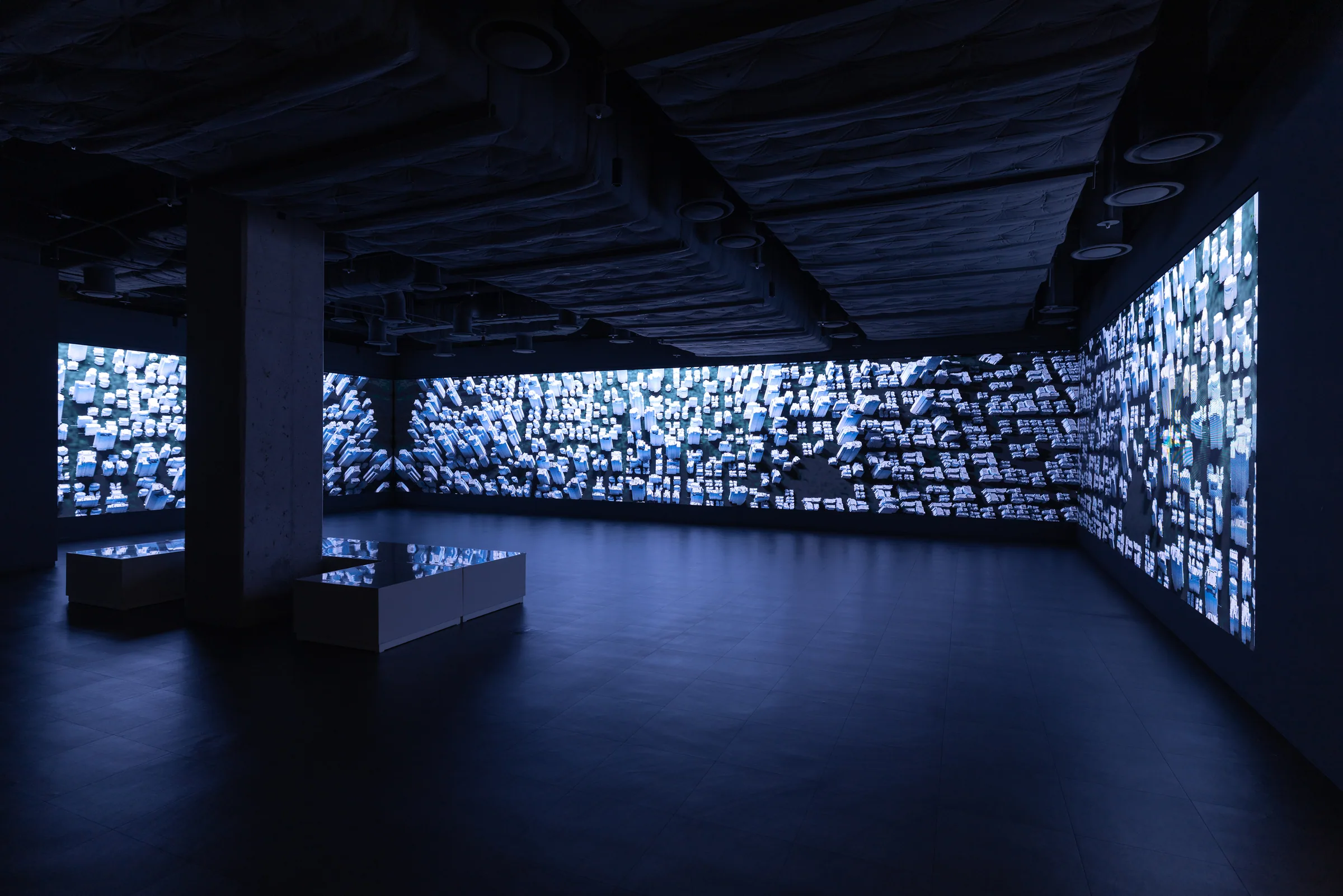
중·고등학생 미디어아트·디자인 진로 가이드 — KAIST 산업디자인학과 · XD Lab 〈Living Geometry 2026〉
미디어아트, 인터랙션 디자인, UX, HCI, 디자인공학 진로를 고민하는 학생이라면 〈Living Geometry 2026〉을 하나의 공개 포트폴리오처럼 볼 수 있다. KAIST 산업디자인학과 경험디자인연구실(XD Lab)의 작가·연구자들이 직접 기획·개발한 전시로, 연구실의 작업 방식과 결과물을 한 자리에서 확인할 수 있다.
왜 입시·진로 탐색에 좋은가
전시를 기획·개발한 KAIST 산업디자인학과는 1986년 국내 공과대학 최초의 디자인 학과로 출발했다. 현재는 제품 디자인뿐 아니라 HCI, 인터랙션, UX, 미디어아트, 서비스·시스템 디자인으로 영역을 넓혀 왔다. 2025 QS 세계대학 학과별 순위 Arts and Design 부문 세계 28위(국내 1위), iF 디자인 랭킹 2025 교육기관 부문 세계 1위라는 지표도 함께 참고할 수 있다.
전시는 강이연(Yiyun Kang) 교수가 디렉터로 이끄는 경험디자인연구실(XD Lab)이 기획·제작했습니다. 강이연 교수는 Google·NASA·Max Mara·BTS 등 세계적 기관과 협력하고 Victoria and Albert Museum, COP28 등에서 개인전을 열었으며 TED 2026 등에서 강연한 작가입니다. 전시에는 박사과정 최정윤(Jeanyoon Choi · Royal College of Art 정보경험디자인 출신), 석사과정 황인태·서민혁 등 학과 내 연구자들이 참여 작가로 함께 합니다.
전시는 미디어아트와 학술 연구가 한 작업 안에서 어떻게 만나는지 보여주는 사례이기도 하다. XD Lab의 연구는 Leonardo Journal(MIT Press), ACM SIGGRAPH, ACM DIS 등 학술지·컨퍼런스에 발표되어 왔고, Red Dot Award·iF Design Award 수상 이력도 함께 갖고 있다.
포트폴리오에 영감을 주는 작업 흐름
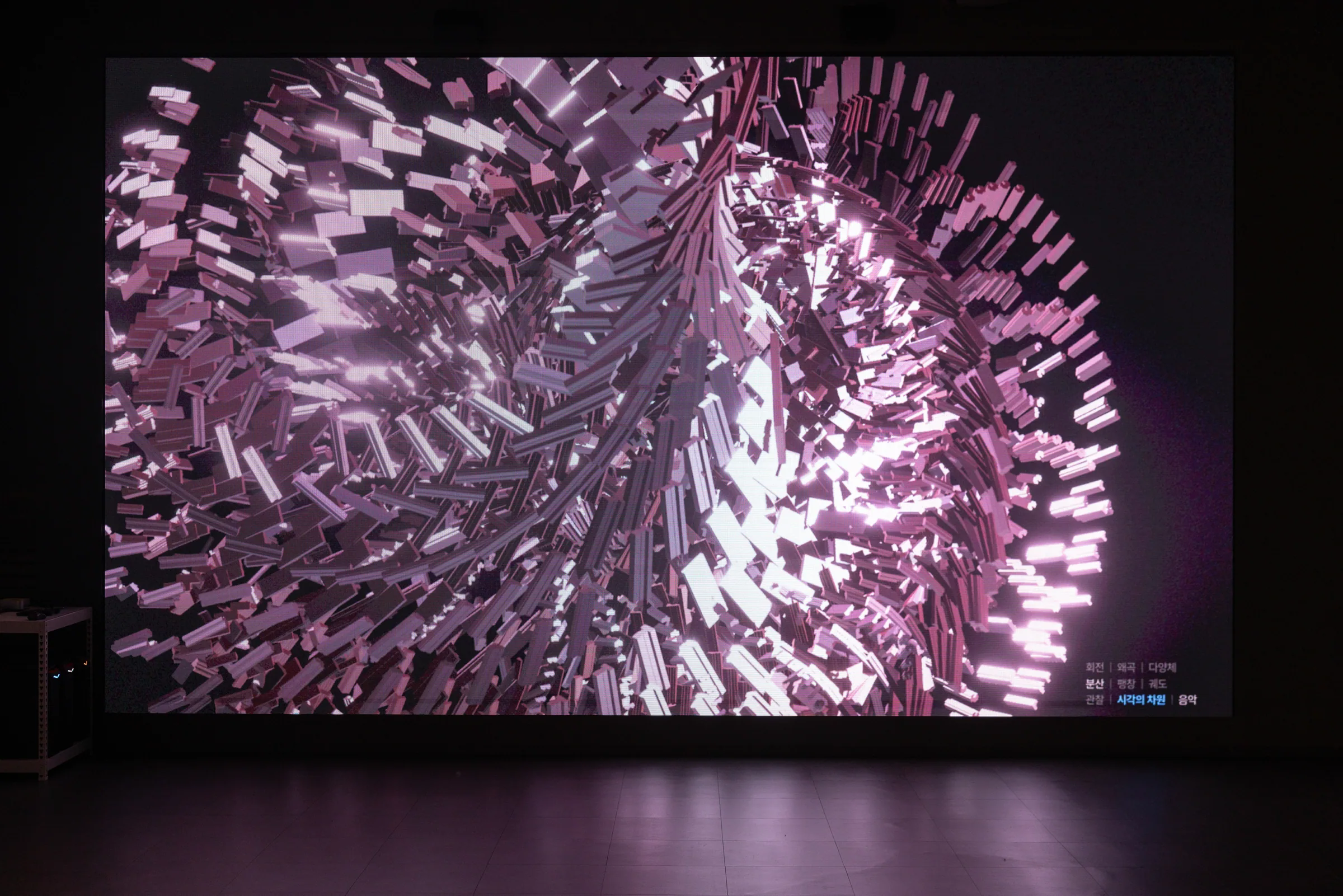
전시 7개 작품은 영상 작업, 인터랙티브 설치, 생성형 웹 작업까지 매체와 도구의 폭을 보여준다. 관심 분야에 따라 다음 흐름으로 살펴볼 수 있다.
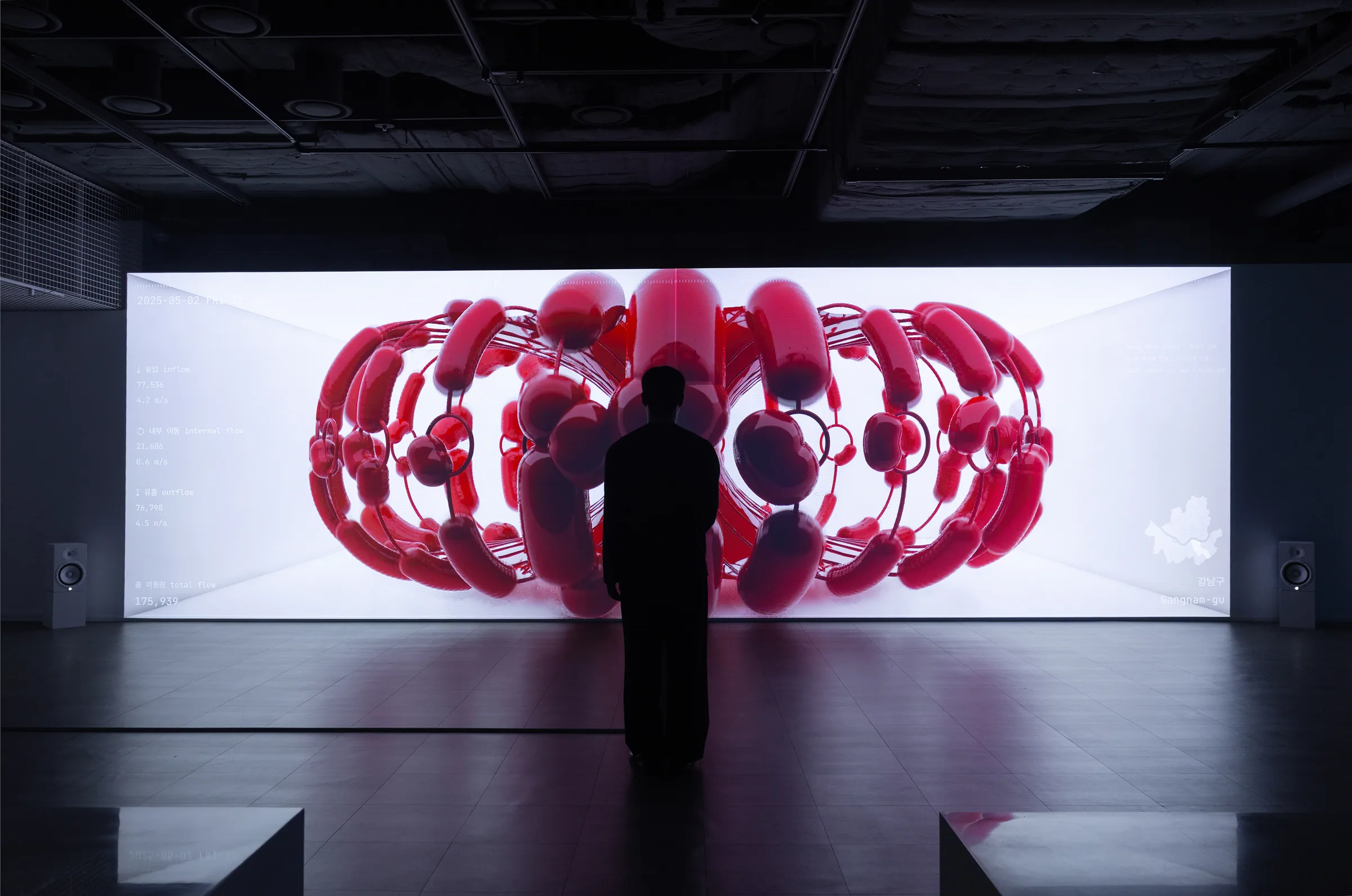
디자인공학·UX·HCI 관심: 황인태 〈Goldilocks〉(7가지 기상 요소를 조작하는 인터랙티브 데이터 시각화)와 〈Vessel〉(맥박 센서로 생체 데이터와 도시 데이터를 결합하는 데이터 조각). 사용자 입력·센서·데이터 시각화의 결합 사례.
웹·코드·생성형 AI 관심: 최정윤 〈반포자이즘〉. AI로 생성된 아파트, 사운드, 텍스트, 코드가 결합된 다중 기기 웹 작품으로, 관람객 본인의 핸드폰에서 직접 작동한다.
영상·미디어아트·연출 관심: 강이연 〈Vanishing 2.0〉·〈Technosphere〉, 서민혁 〈Post-Vanishing〉. 인류세·테크노스피어·포스트 휴먼 도시를 단채널 영상으로 풀어낸 결과물.
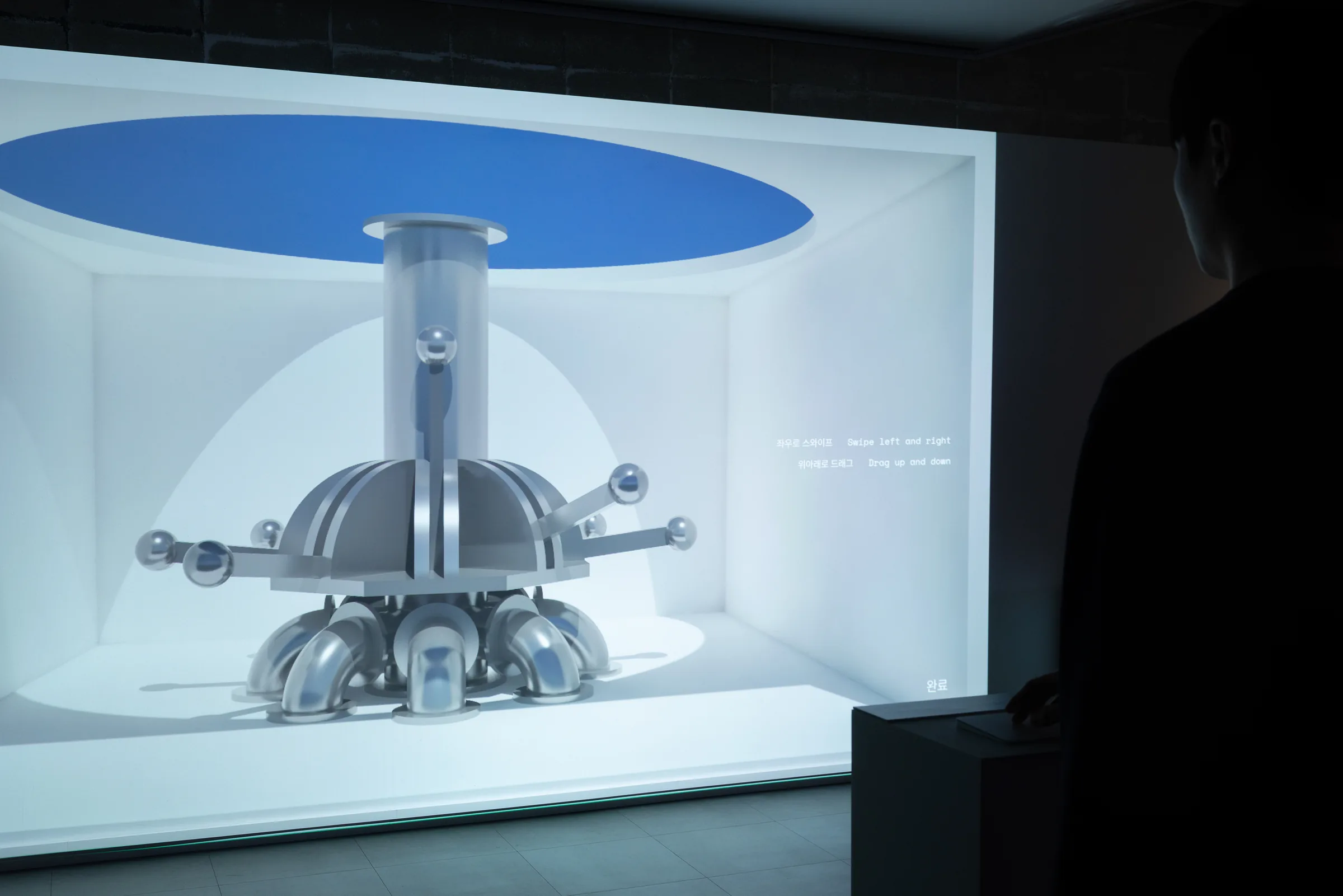
공간·설치·연출 관심: 서민혁 〈City'scape + Tied〉. ‘문’이라는 물리적 장치 + TV 스크린 + 인터랙티브 설치를 결합한 상황 디자인.
방문 후 살펴볼 자료
관람 후에는 학과·연구실·작가의 공식 자료를 함께 살펴보면서 진학 방향을 구체화해 보세요. 아래 ‘이어 보면 좋은 링크’를 참고하세요.
방문 정보
- 기간 :: 2026년 5월 1일 – 6월 28일 (월–일 매일 운영)
- 시간 :: 매일 10:00 – 18:00 (입장 마감 17:45)
- 관람료 :: 무료, 예약 불필요
- 장소 :: 영등포아트스퀘어 (서울 영등포구 영중로 15 타임스퀘어 B2F, Gate 14)
- 교통 :: 1호선·KTX 영등포역 도보 3분
- 권장 관람 시간 :: 약 60–90분
- 단체 관람 :: 학교 단체 방문은 영등포아트스퀘어 측에 사전 문의 권장 (02-3457-7751)
전시 메인 페이지로 돌아가기
Students' Career Guide — Media Art, Interaction Design, HCI · KAIST Industrial Design at Living Geometry 2026
A guide for middle- and high-school students considering media art, interaction design, UX, HCI, or design-engineering at the university level. Living Geometry 2026 is curated and developed in-house by KAIST's Experience Design Lab (XD Lab), so visitors can see one continuous output of the department's artistic and research practice — for free, in one place.
Why it helps when you're choosing a path
KAIST Industrial Design — the department behind the show — was founded in 1986 as the first design department at any Korean engineering college, and has grown from product design into HCI, interaction, UX, media art, and service & systems design. In the 2025 QS World Rankings by Subject (Arts and Design) it placed 28th worldwide and 1st in Korea; in the 2025 iF Design Ranking it ranked 1st worldwide among education institutions.
The show is led by Professor Yiyun Kang, director of XD Lab, who has collaborated with Google, NASA, Max Mara, and BTS, held solo exhibitions at the Victoria and Albert Museum and COP28, and given talks at venues including TED 2026. Participating artists include PhD researcher Jeanyoon Choi (Royal College of Art, Information Experience Design) and Master's researchers Intae Hwang and Minhyeok Seo.
Living Geometry 2026 is also a useful case study of how artistic practice and academic research coexist: XD Lab publishes in Leonardo (MIT Press), ACM SIGGRAPH, and ACM DIS, while also receiving honors such as the Red Dot Award and iF Design Award.
Pathways and works to look at
The seven works span video, sensor-driven installation, and a multi-device generative web piece — a useful sample of the discipline's range.
Toward design engineering, UX, HCI: Intae Hwang's Goldilocks (interactive data visualization driven by visitor-set weather parameters) and Vessel (pulse-sensor data sculpture). A study in input + sensor + data visualization.
Toward web, code, generative AI: Jeanyoon Choi's Banpo-Xism — a multi-device web work fusing AI-generated apartments, sound, text, and code. Visitors run it on their own phone.
Toward video and media art: Yiyun Kang's Vanishing 2.0 and Technosphere; Minhyeok Seo's Post-Vanishing — Anthropocene, technosphere, and post-human city in single-channel video form.
Toward spatial / installation practice: Minhyeok Seo's City'scape + Tied — a situational design fusing a physical door, a TV screen, and an interactive installation.
After your visit
Pair the visit with reading from the department, the lab, and the artists themselves. See the linked resources below.
Visit
- Dates :: May 1 – Jun 28, 2026 (daily)
- Hours :: Daily 10:00 – 18:00 (last entry 17:45)
- Admission :: Free, no reservation
- Venue :: YDP Artsquare (Times Square B2F, 15 Yeongjung-ro, Yeongdeungpo-gu, Seoul · Gate 14)
- Transit :: 3-min walk from Yeongdeungpo Station (Line 1 / KTX)
- Suggested duration :: ~60–90 min
- School groups :: Contact YDP Artsquare in advance (+82-2-3457-7751)
Back to exhibition main page