DIS 2026 · Honorable Mention

SoTA: An Interactive Art Exhibition for Public AI Engagement

Jeanyoon Choi, Intae Hwang, SeJoon Park, Hyungjun Cho, Heejae Bae, Yiyun Kang

For DIS 2026 attendees interested in public AI engagement, interactive art, AI literacy, immersive visualisation, embodied interaction, and HCI-art research.

Paper presentationWednesday, June 17, 2026, 11:00 AM
DemoDIS 2026 Demo Session, Sports Hall 1
AwardHonorable Mention Award
Venue
Proceedings of the 2026 Designing Interactive Systems Conference
Published
2026-06-12
DOI
10.1145/3800645.3812889
Artwork
sota-xdlab.net

Citation

Choi, Jeanyoon; Hwang, Intae; Park, SeJoon; Cho, Hyungjun; Bae, Heejae; Kang, Yiyun. 2026. SoTA: An Interactive Art Exhibition for Public AI Engagement. DIS '26, 4156-4180. DOI: 10.1145/3800645.3812889.

Why DIS attendees should read it

  • Presents SoTA, a multi-device interactive artwork for public AI engagement.
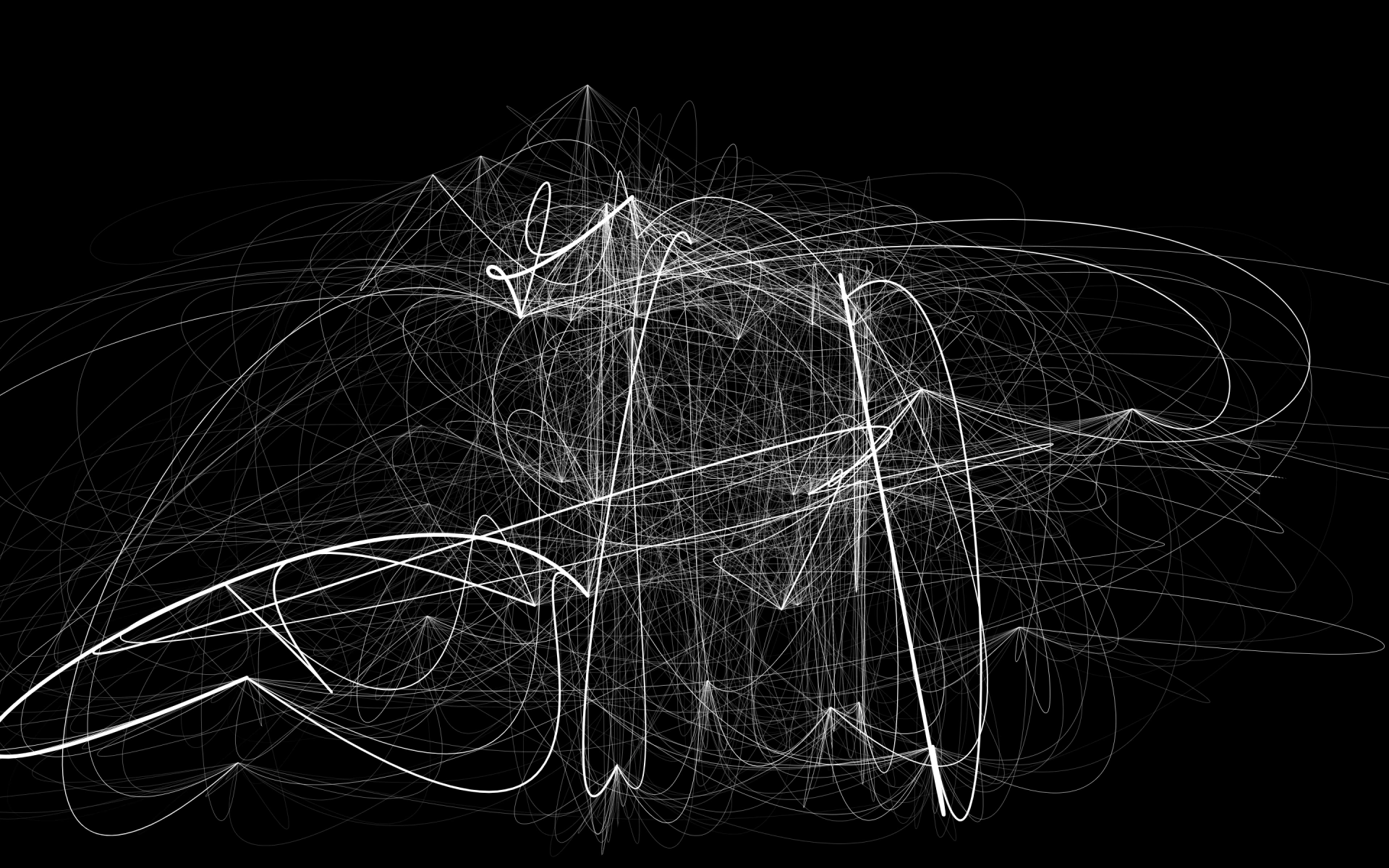
  • Visualises 118 neural network architectures as immersive, explorable artistic objects.
  • Reports an in-situ study with 33 participants after a public art museum exhibition.
  • Frames public AI engagement through immersive visualisation, embodied interaction, and artistic narrative.

Abstract

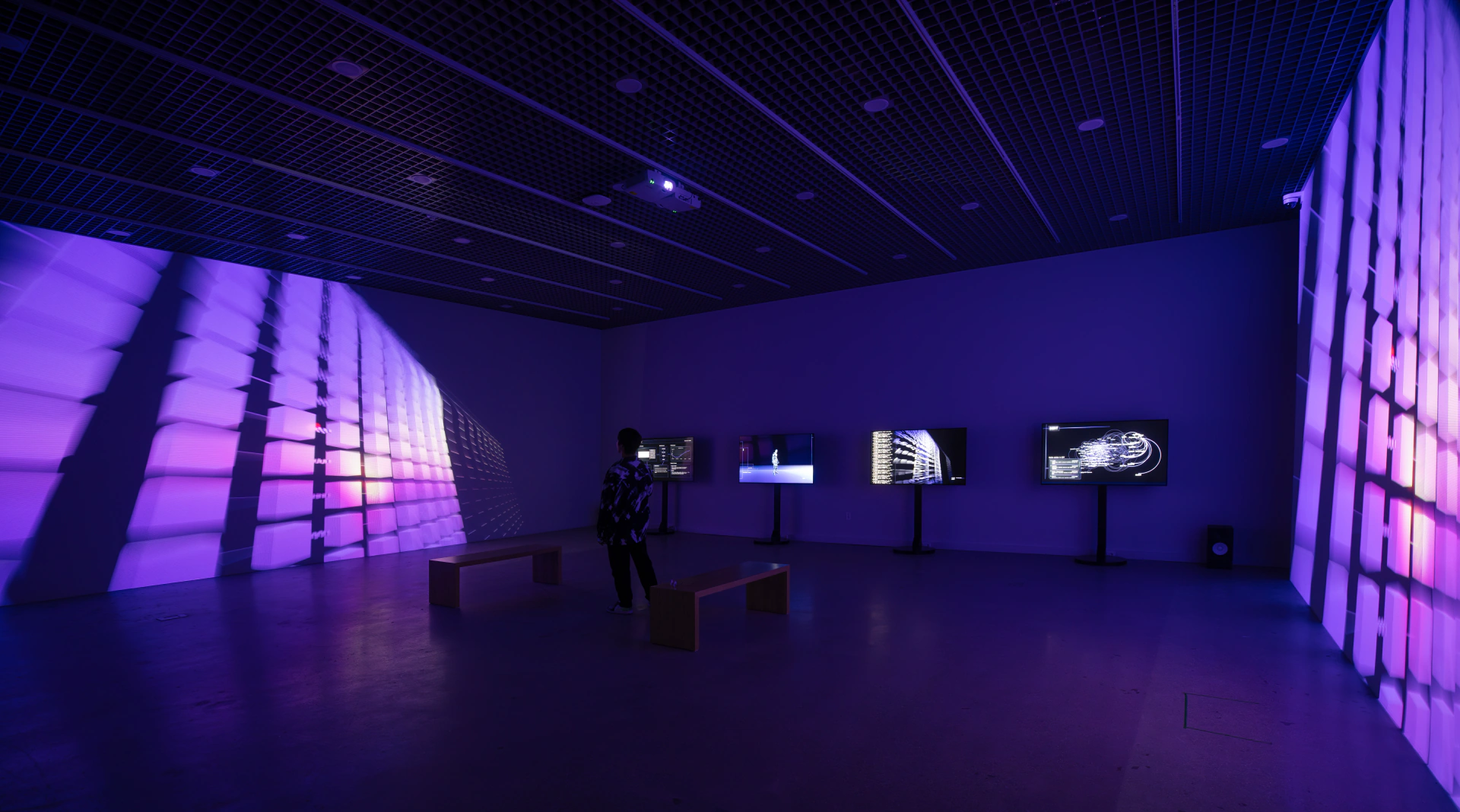
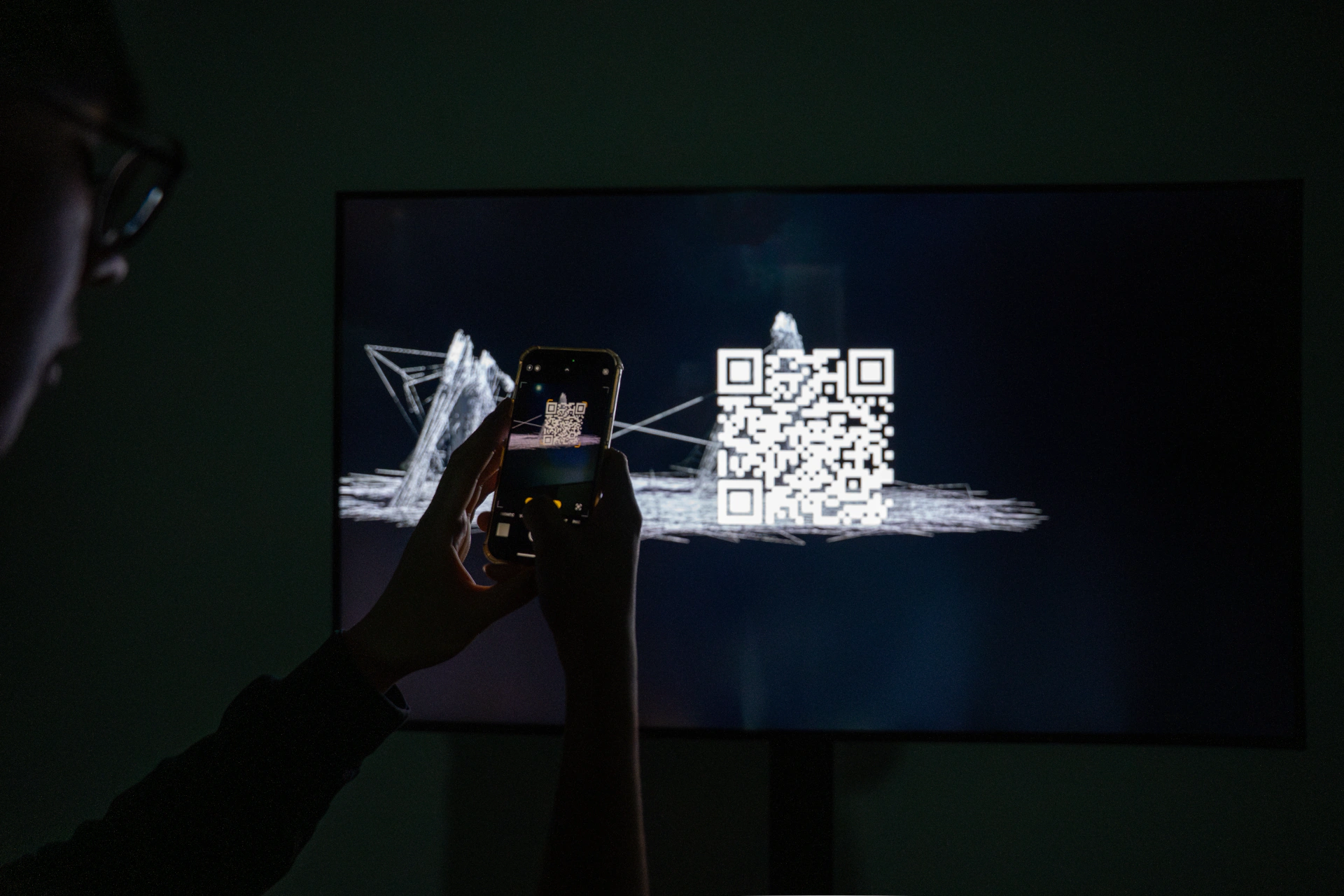
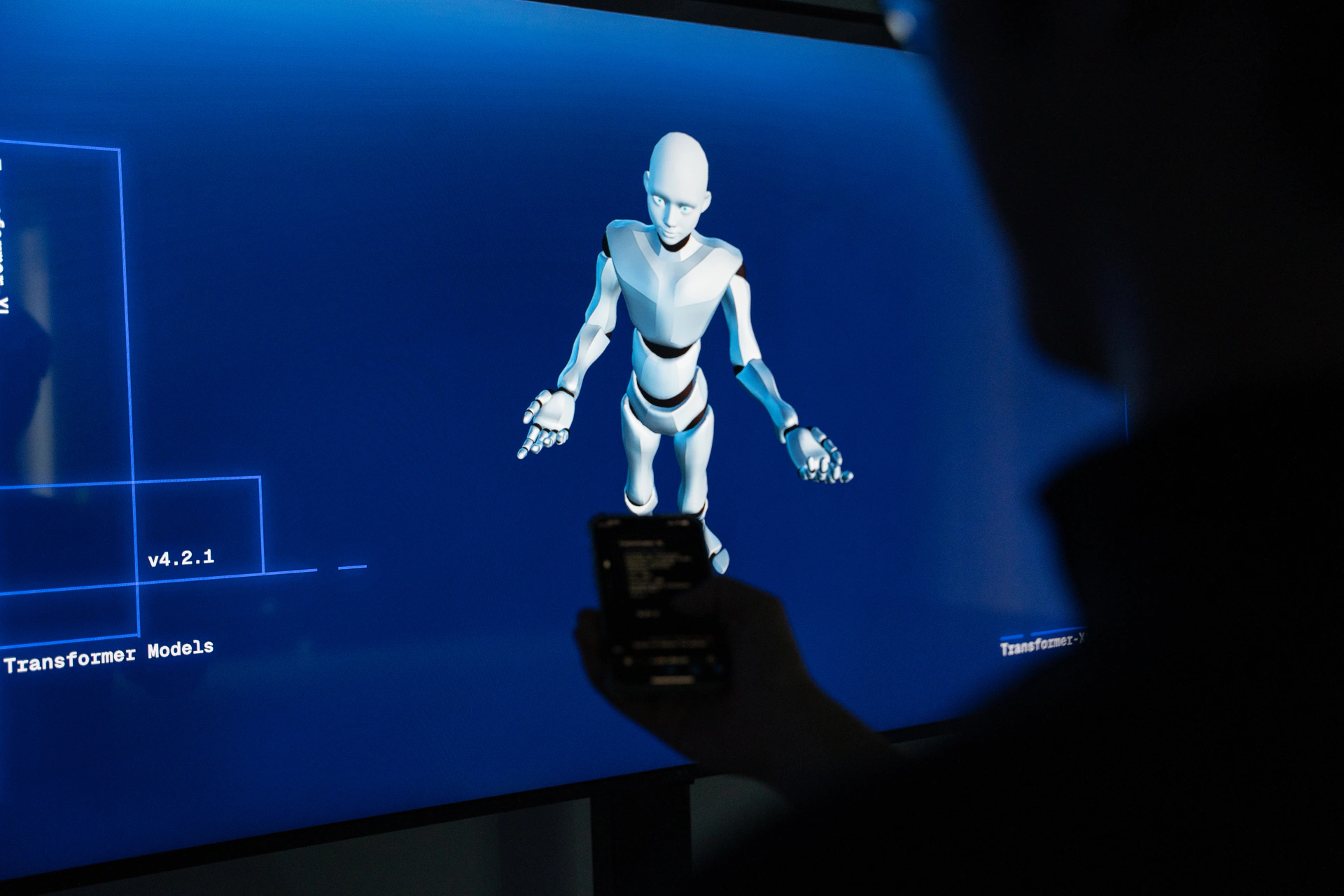
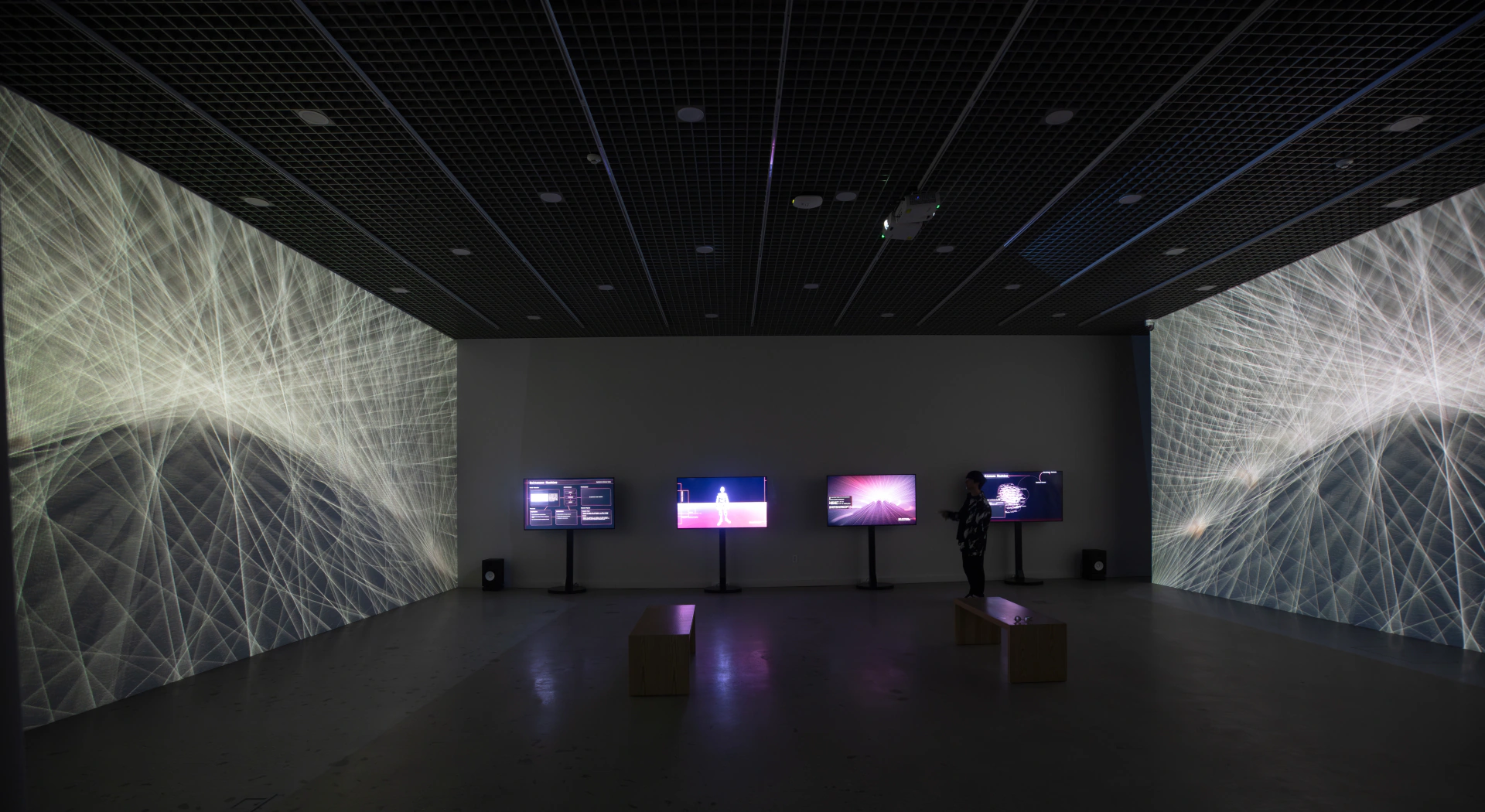
We introduce SoTA, a multi-device interactive artwork on artificial intelligence (AI). It visualises 118 neural network architectures as artistic objects that can be experienced at an immersive scale, allowing audiences to select, explore, and navigate different models interactively. The installation is also characterised by an intentional narrative shift that moves from open-ended exploration to abstract visualisation. We exhibited SoTA in a public art museum and conducted an in-situ study with 33 participants to investigate how aesthetic experiences foster affective and critical reflection, complementing technical explanation in public AI engagement. Our findings reveal how aesthetic environments create emotional conditions that foster deeper inquiry, leading to enhanced understanding, productive ambivalence, and ultimately personal, philosophical, and societal reflection on AI. We conclude by discussing the opportunities of artistic exhibitions for public AI engagement and suggest three concrete design strategies grounded in our design and evaluation of SoTA.